
Overview
Rudraksha beads have great spiritual and cultural significance and are frequently worn because of its purported therapeutic and heavenly properties. Fake or replica beads are being sold in large quantities, nevertheless, due to growing demand. Many consumers look for easy home-based techniques since they are hesitant to ask a professional for verification. Using water is one of the most used methods. We'll go into great depth in this instruction on how to check original rudraksha in water without the assistance of a specialist.
The Significance of Verifying the Authenticity of Rudraksha
It is said that a genuine rudraksha radiates energy and benefits the body, mind, and soul. Fake ones, which are frequently constructed of plastic, wood, or artificial seeds, are not as meaningful. Its spiritual and physiological advantages are guaranteed when you use an original bead. As a result, being able to identify the genuine rudraksha in water is not only a useful precaution but also a means of safeguarding your investment and confidence.
The Simple Water Test
Placing the rudraksha bead in a glass of clean water is the easiest method of verification. Pay close attention to whether it floats or sinks. Since the actual rudraksha is denser, it usually sinks, but many imitations float because they are lighter or have hollow interiors. When learning how to examine the original rudraksha in water without professional assistance, this is the most often used at-home test.
The Floating Test's Drawbacks
The floating test is useful, but it's not always perfect. Certain authentic rudraksha beads may float, particularly if they are old or dry. Fake beads, on the other hand, can occasionally be weighted to sink. For this reason, the water test need to be regarded as a first step rather than the sole means of confirmation.
Other Water-Related Observations
In addition to sinking or floating, see if the bead loses any adhesive or fake color after a few hours in water. The polish or coatings on fake rudraksha frequently begin to wear off. An original one will stay intact in color and texture. Additionally, authentic rudraksha beads typically have water-resistant mukhis, or natural partitions.
Combining Additional Signs with the Water Test
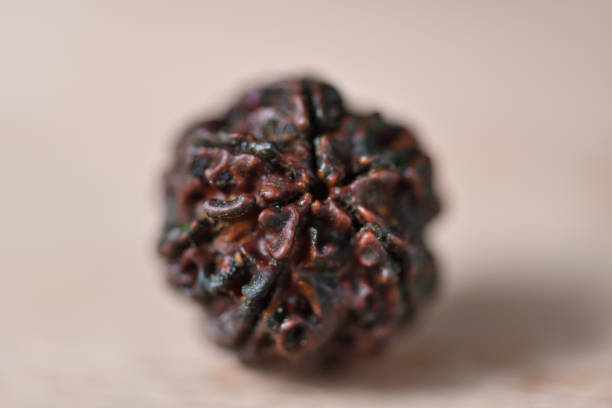
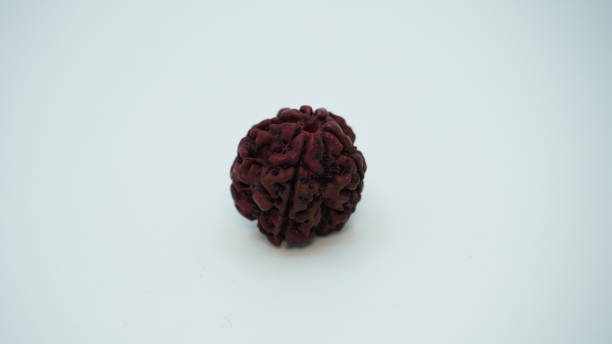
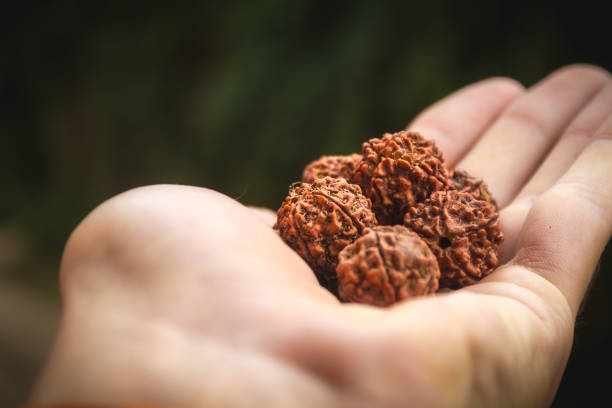
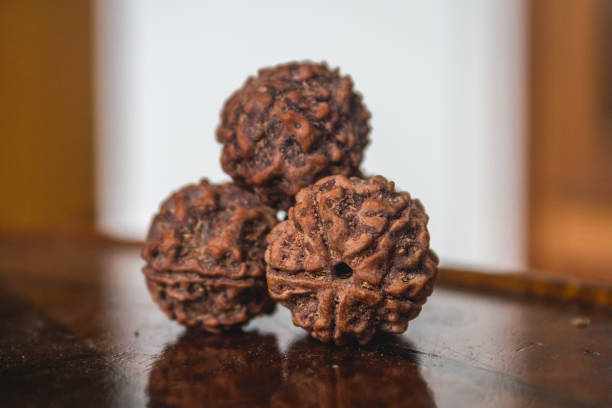
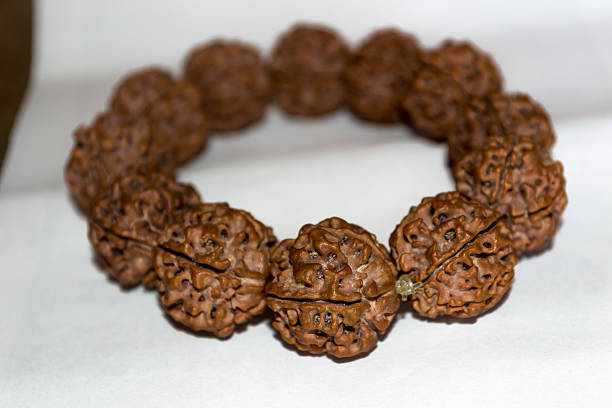
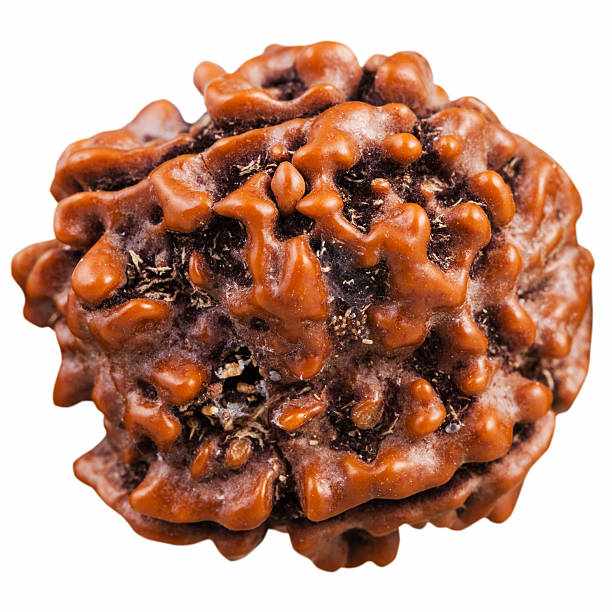
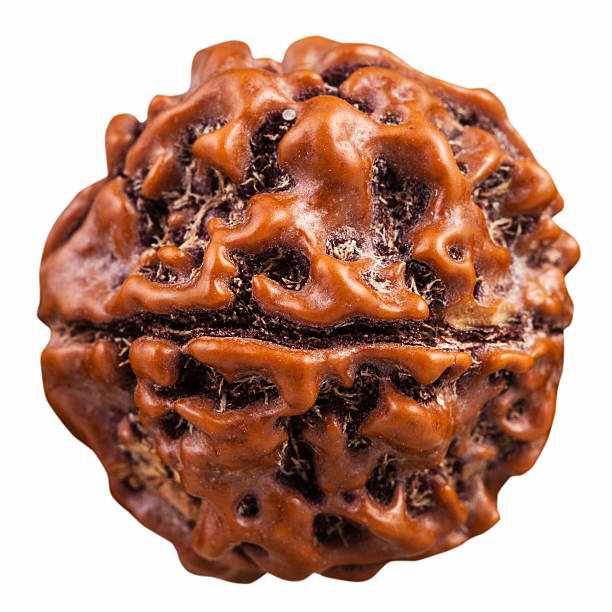
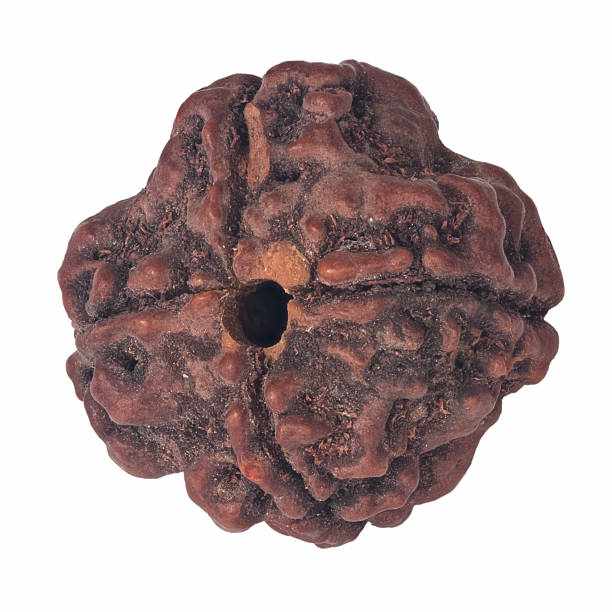
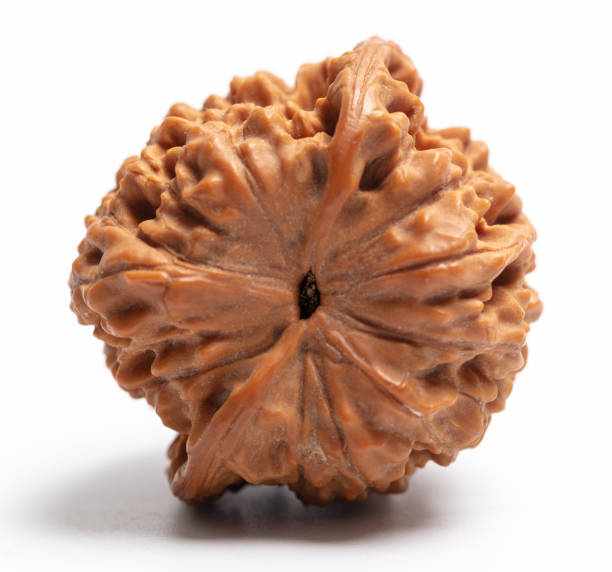
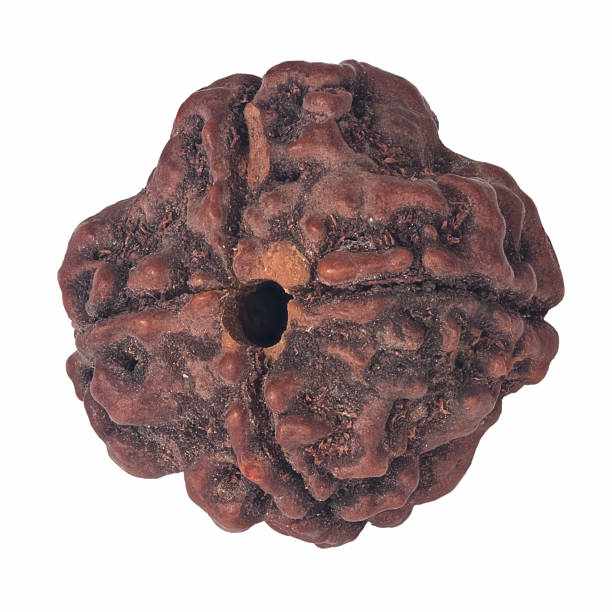
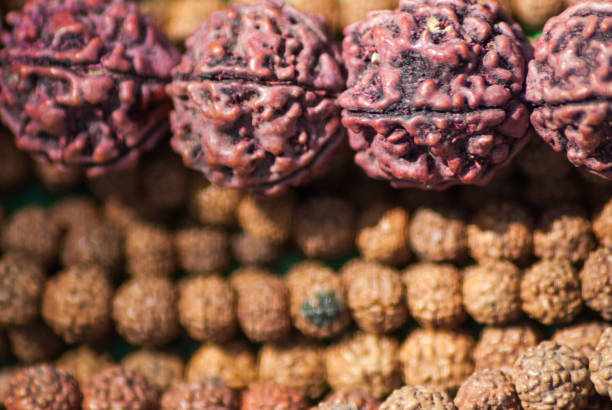
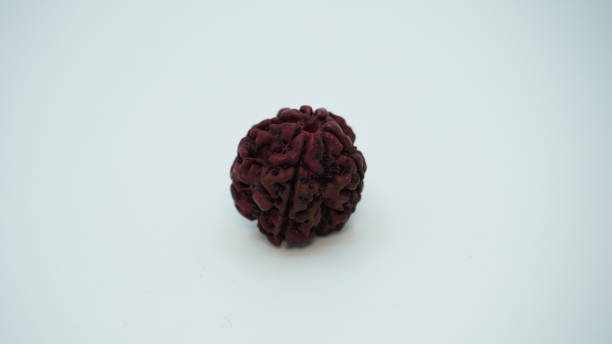
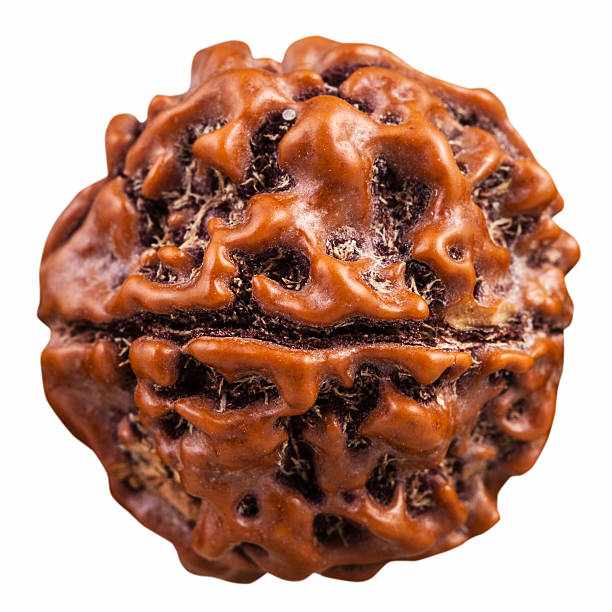
The water test is easy to do and beneficial, but it should be used in conjunction with a physical examination. A genuine rudraksha will be rough and uneven, have distinct natural lines, and be free of obvious cracks or fake drill marks. When combined, these tests increase your confidence in recognizing the genuine bead.
Warnings Regarding the Water Test
Do not immerse the rudraksha in water for too long, since prolonged exposure might harm the bead. A brief test lasting a few minutes to a few hours is sufficient. To preserve the quality of the bead, always use clean water and make sure it is well dried afterward.
In conclusion
Anyone who wants to confirm their bead without professional assistance will benefit from knowing how to inspect the original rudraksha in water. Even while the water test by itself might not be infallible, it offers a trustworthy method of distinguishing between real and counterfeit rudraksha when paired with physical inspections. In the end, the natural look, texture, and vitality of a genuine rudraksha will always demonstrate its validity.
Write a comment ...